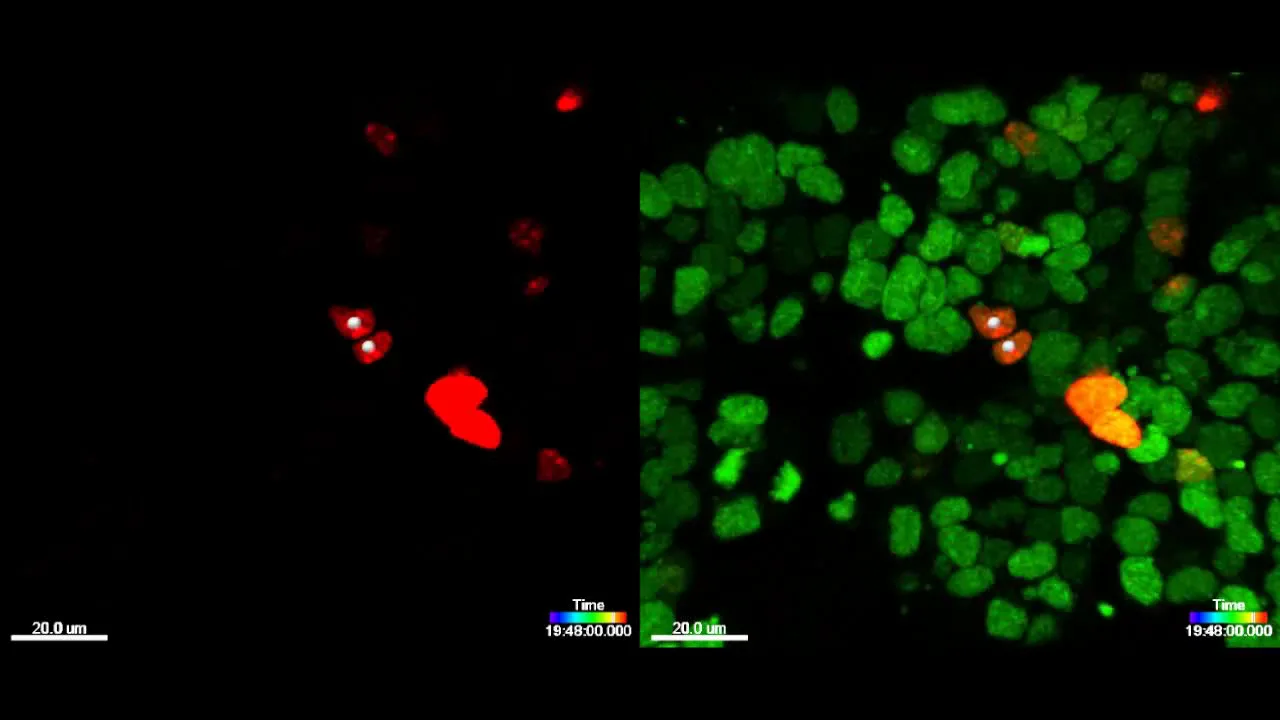
Study tracking
SC-MRNA-0001 · v1.0.0Research questionDoes reporter mRNA express at 24 hours while preserving relative viability?The decision, controls, materials, and evidence requirements are packaged into one versioned record.
Biotech study coordination
Define the study, align the people and laboratories involved, track every handoff, and keep results connected to their scientific context.
One shared record. Final scientific decisions stay with your team.
The study workspace
Keep the research question, responsibilities, changes and returned results connected from planning through review.
SC-MRNA-0001 · v1.0.0Why coordination matters
Questions, materials, controls, laboratory capabilities, changes and results often live in different documents and conversations. SingularCell keeps those parts connected so the people involved can see the same study.
Record the question, cell model, materials, controls, criteria, deliverables and owners before the first handoff.
Keep the agreed version, responsibilities, questions and amendments attached to the work they affect.
Connect observations to methods, units, source files and the named scientist responsible for interpretation.
What SingularCell helps you manage
Each laboratory keeps its established procedures. SingularCell gives everyone involved a shared view of the requirements, responsibilities and evidence around the study.
Materials · requirements · deliverables

Briefs, handoffs and results in one place
Capabilities · methods · source files
For biotech teams and laboratories
Turn the research question into a clear study plan and keep track of what was agreed, what changed and what came back.
For biotech teamsClarify the requested work, record the capabilities you can support and return results with the supporting files.
For laboratoriesScientific context in motion
A useful result needs more than a file. Timepoint, cell model, imaging method and analysis context all shape what a scientist can responsibly conclude.
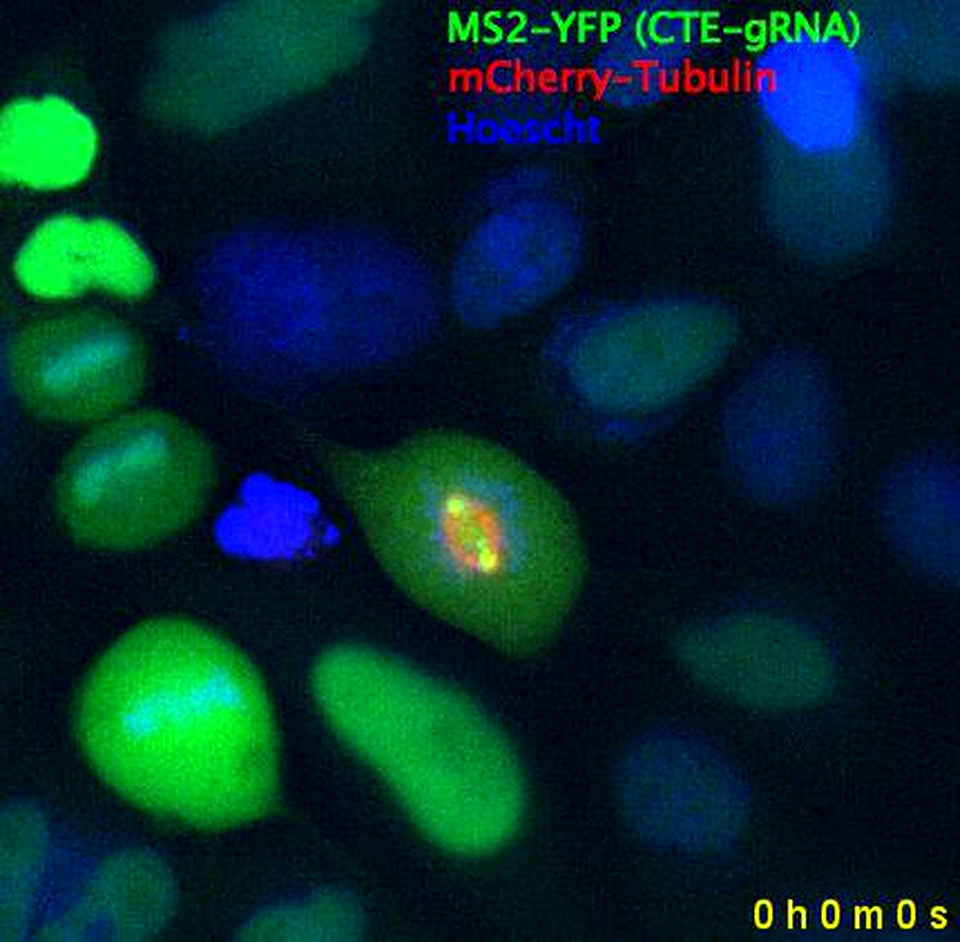
Fluorescence microscopy showing RNA, tubulin and DNA through a dividing cell.
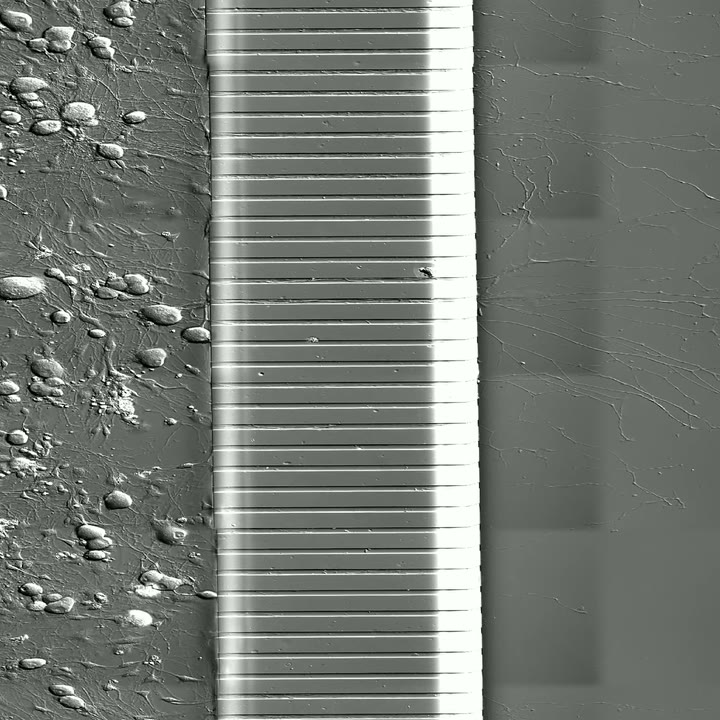
Time-lapse microscopy showing neurite extension through microfluidic channels over 48 hours.
Open-access research footage used to illustrate scientific context. It is not SingularCell customer data or a product result.
Interactive product demonstration
Explore five connected steps using a sample mRNA study. Shape the plan, compare declared capabilities and follow the results into review.
Public demonstration using synthetic HEK293T mRNA-study data. No customer or clinical material.
01 / Study brief
02 / Study requirements
03 / Laboratory fit
A match shows that a laboratory declared the requested capability. It does not prove that laboratories, methods, or results are biologically equivalent.
04 / Returned results
05 / Scientific review
————Any post-handoff amendment creates a successor version. A revoked review can never authorize release.
HYPOTHETICAL ONLYShows whether the observed conclusion changes across the declared threshold range. It does not choose or validate a threshold.
Where SingularCell fits
SingularCell adds a shared coordination layer around scientific work. It does not ask a laboratory to abandon its methods or a scientist to surrender judgement.
Translate a research question into a versioned brief with named materials, controls, criteria and deliverables.
Compare requested work with each laboratory’s declared capabilities and make unresolved questions visible.
Record amendments against the exact study version so teams know what changed, when and why.
Keep data connected to methods, units, replicates, source files and the study requirements it addresses.
Give scientific, operational and quality teams one inspectable record instead of scattered attachments.
Preserve the context another team needs to understand and responsibly reuse a completed study record.
Scientific responsibility
Every result needs a method, a source, and someone accountable for its interpretation. A declared capability does not establish laboratory or method equivalence.
SingularCell research library
Source-backed resources for teams planning cell-based studies, comparing capabilities and designing a more useful result return.
What to clarify before work begins, from material identity to controls and review criteria.
Read the guide → Laboratory fitA structured way to surface fit, gaps and open questions without claiming equivalence.
Read the guide → Result returnKeep observations connected to units, methods, replicates, provenance and review status.
Read the guide → Practical templateUse a structured log for observations, ownership, decisions, corrections and closure.
Use the template →Received files from your laboratory? Use the result-file preflight checklist to record file, schema and identifier checks before scientific review.
Explore all guides and toolsCommon questions
Clear boundaries are part of a trustworthy study record.
It keeps the study question, materials, responsibilities, laboratory capabilities, changes, result files and review history connected in one shared record.
A SingularCell study record can organise the research question, material identity, cell model, controls, criteria, responsibilities, declared capabilities, handoffs, returned observations, discrepancies and review history.
No. SingularCell organises evidence and runs deterministic checks against supplied criteria. A qualified scientist remains responsible for biological interpretation and the final decision.
Yes. SingularCell is designed to coordinate the requirements and evidence around laboratory work without claiming that different methods or laboratories are equivalent.
No. The current product is a study coordination and evidence workspace. Laboratory capabilities remain declared information that people must review in context.
A general description of the study stage and coordination problem is enough. Do not send confidential sequences, patient information, proprietary protocols or unpublished result files through the public enquiry form.
A clearer first conversation
Make four choices and download a conversation starter for your team. No account, email or confidential study details needed.
Choose your study stage, lab situation, priority and timing to create a brief.
Want to talk it through? Discuss your study with us. Your brief is not attached automatically.
Discuss a research-use pilot
Tell us whether you are planning a study, running a laboratory or reviewing evidence. An email is enough to start.